

Our Brands


Autonomy, solutions for your mobility
Whether it is driving or transport, Autonomy helps you choose the solution that best fits you and your needs. Thanks to our network of Mobility Centers and conversion partners, you can count on dedicated support and discover the benefits you are entitled to.
Journey for those looking for a driving solution
STEP 1
Visit a Mobility Center to evaluate your driving capabilities
Autonomy Mobility Centers, located throughout Italy, are spaces dedicated to you: for test driving, trying out adaptations, and evaluating your driving capabilities–all at no cost. In addition, you can obtain a certificate at the Center to make it easier to get your special license.

STEP 2
Visit a dealer and choose your favorite Stellantis vehicle
Choose freely within our dealership network your preferred vehicle among Stellantis brands: every model can be adapted to suit your individual driving needs.

STEP 3
Explore the solutions with one of our conversion partners
Discover driving devices approved by the Ministry of Transport, compatible with all Stellantis vehicles, thanks to selected network of certified conversion partners we have picked for you.

STEP 4
Access the benefits and hit the road!
Reduced VAT, exemptions and tax benefits: explore the available incentives with us and find out how to make your next vehicle not only more accessible, but also more affordable.

Journey for those looking for a transport solution
STEP 1
Explore the solutions with one of our conversion partners
Discover all the transport solutions offered by our conversion partners, approved by the Ministry of Transport and compatible with Stellantis vehicles.

STEP 2
Visit a dealer and choose your favorite Stellantis vehicle
Visit us at the nearest Stellantis dealerships to discover all the vehicles compatible with your chosen conversion and configure them for your transport needs.
STEP 3
Access the benefits and hit the road!
Reduced VAT, exemptions and tax benefits: explore the available incentives with us and find out how to make your next vehicle not only more accessible, but also more affordable.
A concrete solution for every mobility need
Every driving and transport aid is designed around your needs, giving you back independence and peace of mind – allowing you to move and travel with greater safety, comfort and total freedom.
Manual acceleration and braking controls
Devices that replace the use of pedals for more accessible driving.
Pedal adaptations and foot ergonomics
Pedals and pedal systems are custom-configured, to support a more comfortable and practical driving position.
Auxiliary steering control devices
Systems that simplify or substitute the vehicle’s steering, improve driving precision and safety.
Adaptations for secondary controls
Systems designed to make service controls such as the horn, indicators, lights and windshield wipers simpler and more immediate.
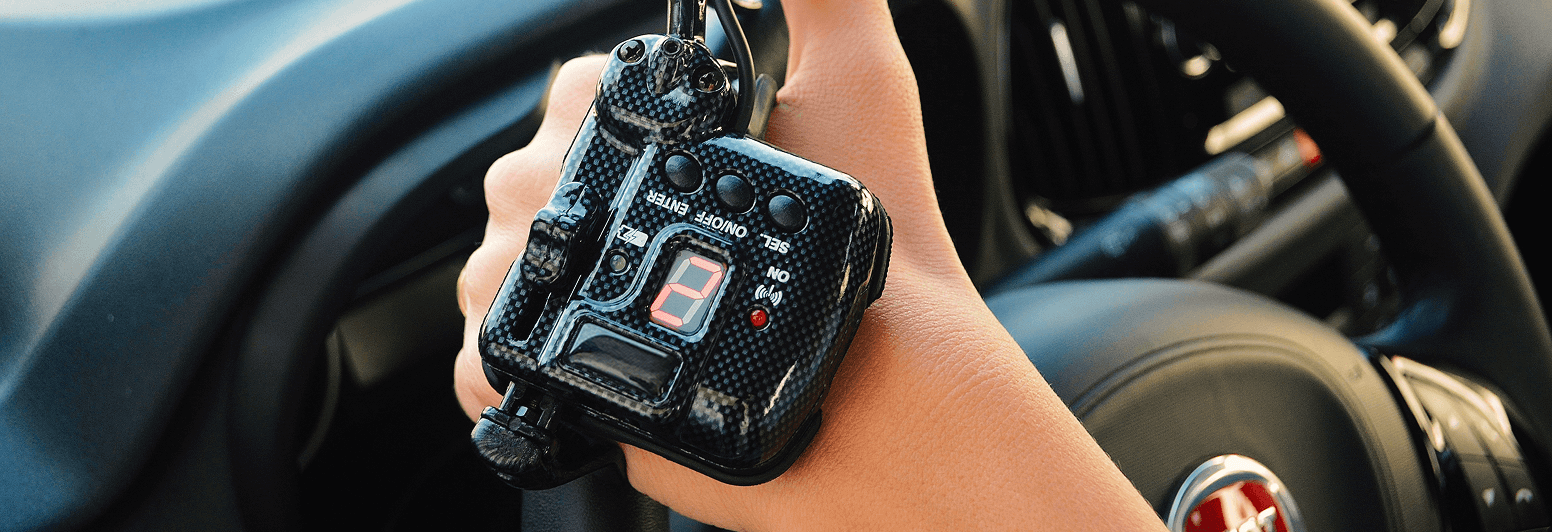
Different needs, unique solutions
Ramp access systems
Solutions that make it easier to enter the vehicle, ensuring safe and convenient access.
Lifts and platforms
To assist with lifting the passengers or wheelchair, making boarding and alighting simpler and safer.
Seat transfer solutions
Devices designed to ease the transfer from wheelchair to seat, improving comfort and autonomy.
Collective transport solutions
Conversions for the simultaneous transport of people with limited mobility.

Different needs, unique solutions
Our commitment
Promoting autonomy also means supporting ideas, projects and initiatives that can make a real difference in people’s lives.

ART AND CULTURE
Where accessibility meets art: “Autonomy for Art”
In collaboration with GAM Torino, Autonomy is supporting a project designed to make art more accessible and inclusive. Through multisensory resources, accessible videos and visual stories, selected works from the museum’s collection can be experienced through different languages, senses and forms of engagement.
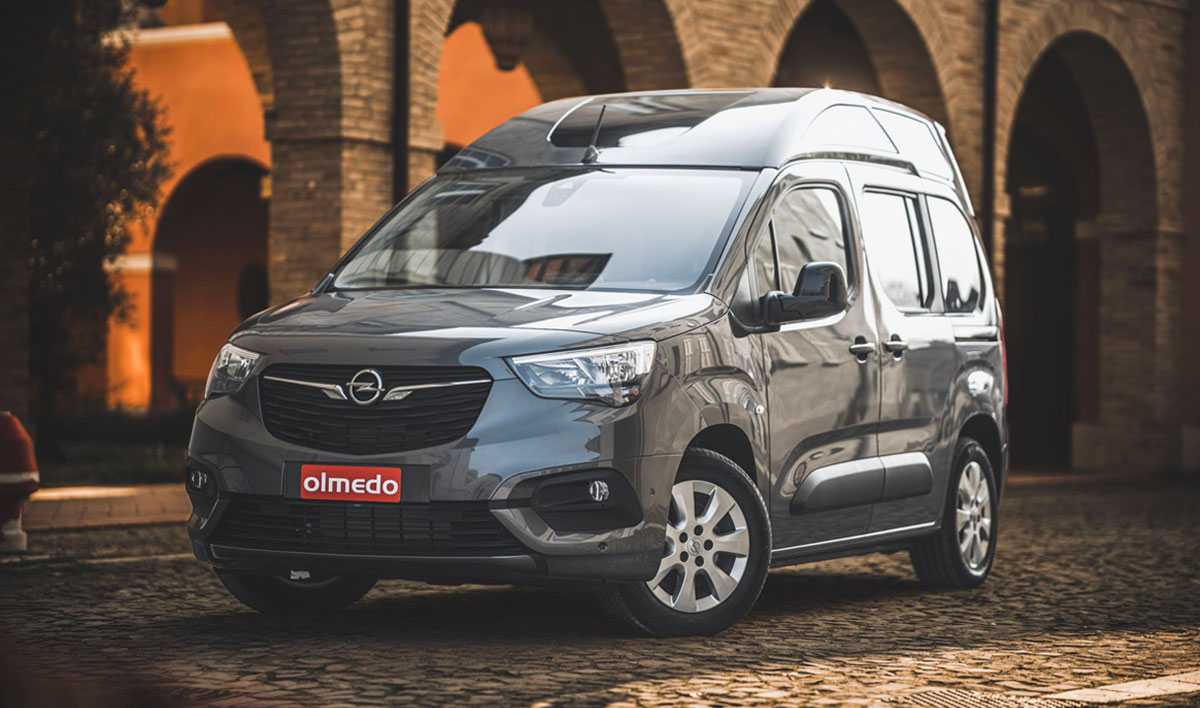
News
Freedom Without Compromise: Introducing the New Olmedo HR “Sali e Guida” Solution for Stellantis Vehicles
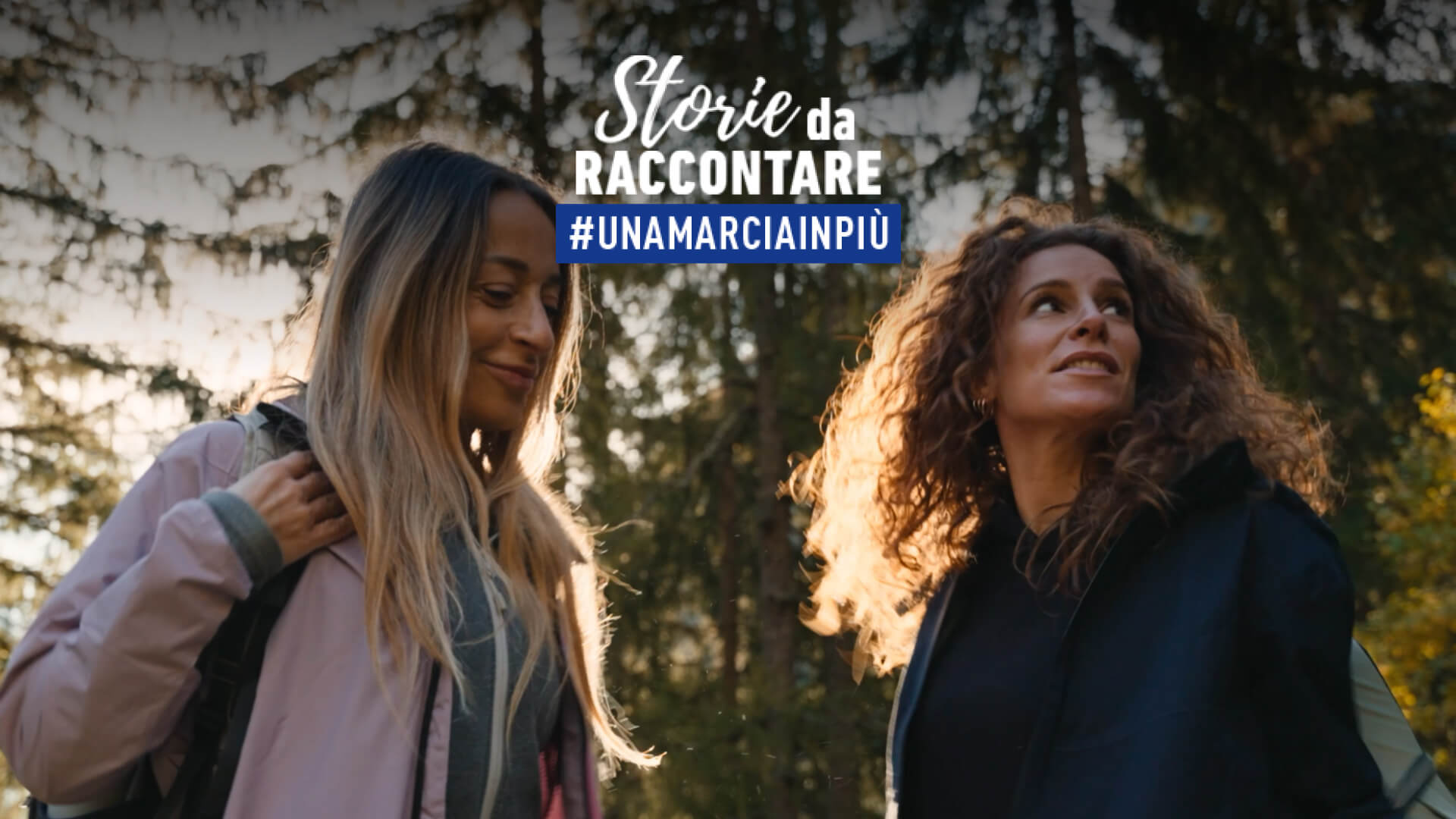
Storie da Raccontare
Because every journey toward autonomy is a story worth telling and listening to.
[00:00–00:15]
[We are at Lake Antrona. We see Veronica Ruggieri driving a Jeep, with Giorgia Cirulli in the passenger seat.]
[00:17]
Veronica: Welcome, Giorgia!
[00:18]
Giorgia: Hi, Vero!
[00:19]
Veronica: So, you trained me for so many years.
[00:22]
Giorgia: That’s right, I was your personal trainer.
[00:24]
Veronica: Today, I’m going to train you.
[00:25]
Giorgia: And what are you planning to make me do?
[00:27]
Veronica: I’m not telling you. You’ll find out.
[00:29]
Giorgia: Oh, great! A surprise!
[00:31–00:37]
[We see the car driving along mountain roads through the woods. It then stops and the two women get out.]
[00:38]
Giorgia: So, are you going to tell me what we’re doing?
[00:40]
Veronica: Look what I’ve brought you.
[00:45]
Veronica: Two backpacks!
[00:46]
Giorgia: So, you’re taking me hiking?
[00:48]
Veronica: Well done!
[00:49]
Veronica: This one’s for you.
[00:50]
Giorgia: Thank you!
[00:51]
Veronica: And this one’s for me.
[00:52]
Veronica: Now we’re ready.
[00:53]
Giorgia: Let’s go!
[00:56]
Veronica: The light is incredible!
[00:58]
Giorgia: Where are we going? Up there?
[00:59]
Veronica: Almost!
[01:00–01:04]
[Veronica and Giorgia set off on their hike through the mountain woods.]
[01:05]
Veronica: Your life changed quite a lot when you were thirty.
[01:08]
Giorgia: Yes. When I was thirty, I was diagnosed with ulcerative colitis, a chronic inflammatory bowel disease that I will never recover from.
[01:16]
Veronica: And how did you react?
[01:17]
Giorgia: Well, you’re never really prepared to be diagnosed with something you can’t go back from. It definitely affected my mental health, my work and the way I saw my future. And I had also recently become a mother.
[01:34]
Giorgia: It wasn’t easy dealing with both the symptoms and a new condition that I would never recover from.
[01:43]
Veronica: And when did things start to change for you?
[01:46]
Giorgia: The biggest change came when I underwent my first surgery.
[01:51]
Giorgia: They removed my colon, and I lived with a stoma for two years. It was definitely traumatic, but it completely changed my priorities in life.
[02:02]
Veronica: What happened next?
[02:03]
Giorgia: Unfortunately, after seven years of unsuccessful treatments, they had to remove my colon, and this meant becoming a person with an invisible disability.
[02:13]
Veronica: What does an invisible disability mean?
[02:15]
Giorgia: Unfortunately, it means I don’t have any visible physical impairment. My disability is internal, so I constantly have to explain to people what I go through, how I live and how I feel.
[02:29]
Veronica: And what role has sport played in your life and in managing your illness?
[02:33]
Giorgia: Sport is an ongoing part of my therapy. In fact, I decided to become a personal trainer when I was diagnosed with the disease. Today, I train women and help them push beyond their limits.
[02:47]
Giorgia: Because you only die once, but you can be reborn infinitely many times.
[02:52–02:55]
[After a shot of the lake and the beautiful surrounding landscape, we see the car setting off again.]

Our Mobility Centers
Autonomy Mobility Centers are specialized facilities that support people with disabilities on the path to independent and safe driving. They offer advice, functional assessments, tests on adapted vehicles and assistance in obtaining a special license, encouraging greater freedom of movement.